
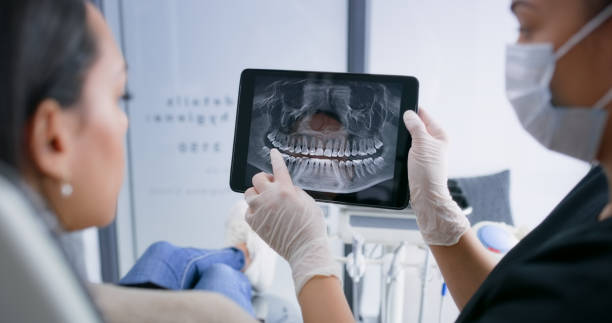
Whether it's one tooth or a full arch, Dental Implants in River Road starts with a CBCT scan, not a guess. Smile Center Dentistry plans every case with 3D imaging before a single post goes in.
Osseointegration takes months either way — we'd rather spend an extra week planning than redo a placement. We'd rather tell you a case needs more healing time than rush a restoration that fails in a year.
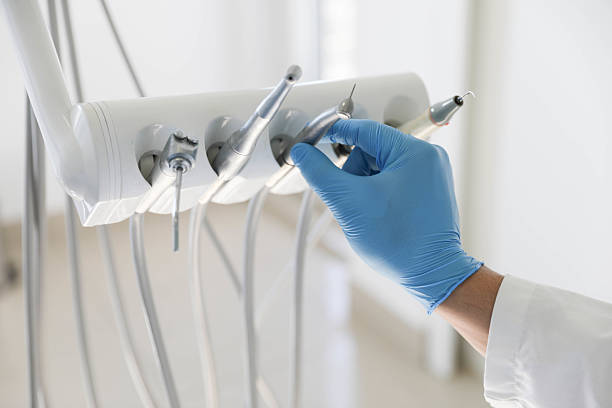
Every placement is performed or supervised by a licensed dentist with documented implant training, not a general practitioner learning on the job. Credentials are available on request, before you ever sit in the chair.
Every case starts with a CBCT scan, so we know exactly where the implant post can safely go before we touch a drill. Nerve position is confirmed on imaging first, which is what keeps placement safe near the lower jaw.
You'll see the cost of the post, abutment, and crown broken out separately, not bundled into a vague estimate. We'd rather you understand every line item than sign off on a lump-sum number.
We stand behind the restoration, not just the surgical placement. Ask about specifics before treatment — we'd rather you know upfront than discover it later.
Your treatment plan depends on bone density, tooth location, and how many teeth are missing.
One missing tooth, one implant, one crown — planned to blend in rather than stand out. Healing time is discussed upfront, typically three to six months before the final crown.
For multiple missing teeth in a row, two or more implants can anchor a fixed bridge instead of individual posts for every gap. We explain the trade-offs between this and single implants before you decide.
Full-arch restoration means a fixed, non-removable set of teeth anchored to a handful of implants rather than a full row. This option is discussed in detail with realistic timelines, not a same-day promise that overstates recovery.
Not every jaw is ready for an implant on day one — grafting buys the density needed for a stable, lasting post. We walk through healing time for grafts honestly, since it adds months, not days.
Regular checkups track bone level around the implant over time, catching problems long before they threaten the restoration. We build these checks into your recall schedule automatically.
Not every case qualifies for a same-day temporary — bone quality and bite force both factor into that decision. We'll tell you honestly at your consult whether your case is a candidate.
We ask a few quick questions by phone to flag anything that needs extra attention at your consult.
You'll see your own scan on screen while we explain exactly what it shows.
You leave with a written plan, not a verbal estimate you have to remember.
Healing checkpoints are scheduled in advance so nothing gets missed between placement and final restoration.
"Lost a molar years ago and finally did the implant. The CBCT scan they showed me made the whole process make sense."
"Four implants supporting my whole upper arch, and they told me realistic healing times instead of a rushed promise."
"The crown they matched to my implant is honestly indistinguishable from my real teeth."
"No bundled mystery pricing. They broke down every piece of the implant cost before starting."
"Checkups every few months to monitor bone level around my implant. Feels like they're actually watching for problems, not just billing me."
Full-arch cases can take longer depending on grafting needs — we give you a realistic timeline at your consult, not a rushed one. A rushed timeline is how implants fail, so we build in the time bone actually needs.
Low bone density doesn't automatically disqualify you; it usually just adds a grafting step before placement. Grafting adds time but often makes the difference between a stable implant and a failed one.
We break down post, abutment, and crown costs separately so you know exactly what you're paying for. We'd rather walk through the numbers together than have you guess at a website estimate.
Most patients report less discomfort than they expected, managed with local anesthesia and, if needed, sedation options. We check in after placement to make sure recovery is going as expected.
Implants still need daily brushing and flossing, plus regular checkups to monitor the surrounding gum tissue. Peri-implant gum health is checked at every recall, not just assumed to be fine.
Coverage varies widely by plan; we check yours and explain what's likely covered before you commit. We'll tell you plainly what's likely out-of-pocket before you schedule anything.
Smile Center Dentistry provides Dental Implants to patients throughout River Road and neighboring River Road, NC communities, with CBCT imaging done in-house. If you're unsure whether your case needs a specialist referral, we'll tell you honestly at your consult rather than taking on a case beyond our scope.
Licensed, CBCT-equipped, and local to River Road — call and get a real answer about your case.
Call +1-866-227-2801